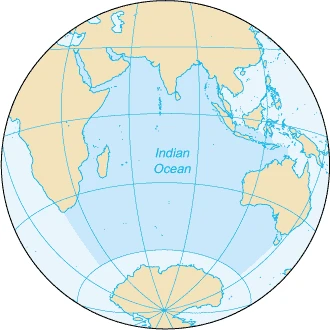
Dahlak Archipelago
Eritrean island group with a history of sultanates and pearl fisheries.

The Dahlak Archipelago is an Eritrean island group located in the Red Sea, measuring around 643 square km (248 square miles) and lying roughly 58 kilometers (31 nautical miles, 36 miles) east of Massawa, the regional capital city. Consisting of two larger and 124 smaller islands, only three of the islands are permanently inhabited, with Dahlak Kebir being the largest and most populated. The etymology of the name remains obscure, though Moshe Piamenta states that "dahlak" means "big merchant." According to Edward Ullendorff, the Dahlak islanders were amongst the first people in the Horn of Africa to embrace Islam, and a number of tombstones in Kufic script attest to this early connection. The archipelago has been a strategic Islamic foothold in the Horn of Africa since the early 8th century, served as a prison under the Umayyad Caliphate, and was later ruled by a line of sultans between around 1140 and 1249.
- Location
- Red Sea, east of Massawa, Eritrea
- Area
- 643 square km (248 square miles)
- Number of islands
- 126 (two larger and 124 smaller)
- Permanently inhabited islands
- 3 (Dahlak Kebir, Nora, Dohul)
- Population (1931 census)
- 2,275 (1,475 Tigre, 475 Arabs, 325 Afar)
- Primary language
- Dahlik
- Known for
- Pearl fisheries since Roman times, Important Bird Area
Verified Timeline
Lore & Background
After Abyssinian pirates attacked Jeddah in 702, the Dahlak Islands were occupied by Muslims, becoming a strategic Islamic foothold in the Horn of Africa. The Umayyad Caliph Abd al-Malik ibn Marwan used the islands as a prison. Under Caliph Umar ibn Abd al-Aziz, Yazid ibn al-Muhallab, the governor of Khurasan, was sentenced to exile in Dahlak in 717–718 but was later allowed to remain imprisoned in Aleppo. The poet Al-Ahwas Al-Ansari was exiled to Dahlak for four to five years for writing satirical verses against Caliph Sulayman ibn Abd al-Malik but was later permitted to leave the "land of thorns" by Caliph Yazid II. Between around 1140 and 1249, the Dahlak Islands were ruled by a line of sultans, with the title reserved for rulers wielding real political and military power. The first known use of "sultan" dates to 1093, but it may have referred to a "blessed" individual rather than a ruler. In 1517 the Ottoman Turks conquered the islands and placed them under the rule of the Pasha at Suakin as part of the province of Habesh. By 1526 the Dahalik sultan, Ahmad, had been degraded to a tributary. There was a short revival of the sultanate during the Abyssinian-Adal war, where the sultanate of Adal waged a temporarily successful jihad against the Ethiopian Empire. Sultan Ahmad joined the Adal Empire and was rewarded with the port town of Arkiko. However, in 1541, one year after the death of sultan Ahmad, the Portuguese returned and destroyed Dahlak yet again. Sixteen years later, the islands were occupied by the Ottoman Empire again, who made them part of the Habesh Eyalet. In the second half of the 19th century, the islands temporarily came under the Khedivate of Egypt, but they remained a backwater. In 1889 the Italians occupied Eritrea and established a vice-residency on the island of Nokra. The census of 1931 gave a total of 2,275 inhabitants, composed of 1,475 Tigre, 475 Arabs and 325 Afar. However, during this time the islands were home to little except the Nocra prison camp operated by the Italian colonial forces. After Ethiopia allied itself with the Soviet Union during the Cold War, following the rise of the Derg, the Dahlak Archipelago was the location of a Soviet Navy base (Nokra Naval Base). In 1990, Ethiopia lost control of the Dahlak Archipelago and the northern Eritrean coast to the Eritrean independence movement (EPLF) and by 1991 Ethiopia had lost control of all of Eritrea. Following the international recognition of Eritrean independence in 1993, the Dahlak Archipelago became a part of Eritrea.
Reader's Guide
The Dahlak Archipelago holds significance as a historical crossroads in the Red Sea, serving as an early Islamic foothold in the Horn of Africa and a site of Umayyad exile. Its sultanate period, though incompletely documented, reflects a Sunni character with titles such as "defender of Islam" mirroring those of Nur al-Din Mahmud of Aleppo. The islands' pearl fisheries have been famous since Roman times and still produce a substantial number of pearls. Today, the archipelago is an Important Bird Area (IBA) by BirdLife International, supporting significant populations of spotted sandgrouse, white-eyed gulls, lesser crested terns, lesser kestrels, sooty falcons, greater hoopoe-larks, blackstarts and cinereous buntings. Tourism is increasing, with visitors arriving by boat from Massawa for scuba diving and snorkeling. The islands' environment includes coral reefs, mangroves, and rich marine life including dolphins, dugongs, sharks, and turtles. The legacy of the archipelago includes its role in the Ottoman and Italian colonial periods, its brief use as a Soviet naval base during the Cold War, and its current status as part of independent Eritrea, with a traditional way of life maintained by the Dahalik-speaking inhabitants.
Did You Know?
- The poet Al-Ahwas Al-Ansari was exiled to Dahlak for four to five years for writing satirical verses against Caliph Sulayman ibn Abd al-Malik, calling it the "land of thorns."
- The first known use of the title "sultan" in Dahlak dates to 1093, but it may have referred to a "blessed" individual rather than a ruler.
- In 1125–1126, the amir al-Muwaffaq from Egypt attempted to arrest Ibn Nab in Dahlak.
- The 1931 Italian census recorded a total population of 2,275, composed of 1,475 Tigre, 475 Arabs, and 325 Afar.
- The archipelago was the location of a Soviet Navy base (Nokra Naval Base) after Ethiopia allied with the Soviet Union during the Cold War.
Political Legacy and the Sultanate
The Dahlak Archipelago has long served as a strategic crossroads in the Horn of Africa. According to Edward Ullendorff, the islanders were among the earliest communities in the region to adopt Islam, a claim supported by surviving tombstones bearing Kufic script. The archipelago's strategic value drew the attention of the Umayyad Caliphate, which used the islands as a place of detention; the governor of Khurasan was sentenced to exile there in 717–718, and the satirist Al-Ahwas Al-Ansari spent four or five years in what he called the "land of thorns." Between roughly 1140 and 1249, a line of sultans governed the islands, adopting titles such as "defender of Islam" that echoed the Sunni character of contemporary rulers in Aleppo. In 1517 the Ottoman Turks seized the archipelago, reducing the Dahalik sultan Ahmad to a tributary by 1526. A brief resurgence came during the Abyssinian-Adal war, when Ahmad allied with the Adal Empire and received the port of Arkiko in return. Yet in 1541 the Portuguese returned and devastated the islands once more, after which the Ottomans reasserted control, folding Dahlak into the Habesh Eyalet.
Island Geography and Traditional Life
Stretching roughly 643 square km (248 square miles) in the Red Sea, the Dahlak Archipelago sits about 58 kilometers (31 nautical miles, 36 miles) east of Massawa. The group comprises two major islands and 124 smaller ones, yet only three—Dahlak Kebir, Nora, and Dohul—host permanent residents. Dahlak Kebir is both the largest and the most populous of the trio. The people of the archipelago speak Dahlik and sustain themselves through a traditional livelihood centered on fishing, shepherding, and camel herding. Their pearl fisheries, renowned since the era of the Roman Empire, continue to yield a meaningful harvest of reef pearls. A 1931 Italian-era census recorded a total population of 2,275, broken down into 1,475 Tigre, 475 Arabs, and 325 Afar. Other named islands in the group include Dhuladhiya, Dissei, Erwa, Harat, Harmil, Inghel, Isra-Tu, Nahaleg, Nakura, and Shumma. Today, growing numbers of visitors reach the islands by boat from Massawa, drawn by scuba diving and snorkeling opportunities along the reefs.
Colonial Encounters and the Road to Independence
The archipelago's modern history is marked by successive layers of foreign control. In 1889 Italian forces occupied Eritrea and set up a vice-residency on the island of Nokra. Under Italian rule, the islands remained largely a backwater, home to little more than the Nocra prison camp run by colonial authorities. The geopolitical shifts of the Cold War brought a new presence: after Ethiopia's Derg regime aligned with the Soviet Union, the Dahlak Archipelago hosted a Soviet Navy installation known as the Nokra Naval Base. By 1991 Ethiopia had lost its grip on all of Eritrea, and in 1993 the international community formally recognized Eritrean independence. The Dahlak Archipelago was consequently incorporated into the newly sovereign state of Eritrea, ending centuries of external domination and returning the islands to the people who had lived there for generations.
Marine Ecology and Birdlife
The waters surrounding the Dahlak Archipelago teem with biodiversity. Coral reefs and shallow shoals create habitats for a wide array of marine species, including dolphins, dugongs, sharks, sea turtles, and numerous invertebrates. On land, some islands are bordered by mangrove forests while others are covered in salt-tolerant brush scrub. The archipelago has earned designation as an Important Bird Area from BirdLife International, owing to its support for significant populations of several species. These include the spotted sandgrouse, white-eyed gull, lesser crested tern, lesser kestrel, sooty falcon, greater hoopoe-lark, blackstart, and cinereous bunting. Seabirds and waders are particularly abundant across the islands and their surrounding seas. The combination of rich underwater ecosystems and diverse avian communities makes the archipelago a destination of growing interest for ecotourism, with scuba divers and snorkelers increasingly visiting from Massawa to explore the reefs and observe the wildlife firsthand.
Frequently Asked Questions
What is the Dahlak Archipelago?
The Dahlak Archipelago is a Eritrean island group of 126 islands—two large and 124 small—stretching across roughly 643 square kilometers of the Red Sea. It lies about 58 kilometers east of the port city of Massawa and is best known for its sultanate heritage and traditional pearl fisheries.
How many people live on the Dahlak Archipelago?
Only three of the 126 islands—Dahlak Kebir, Nora, and Dohul—support permanent communities. A 1931 census counted 2,275 residents split among Tigre, Arab, and Afar groups, with the Dahlik language serving as the primary local tongue.
What is the historical significance of the Dahlak Archipelago?
From the early 8th century the islands functioned as a strategic Islamic foothold in the Horn of Africa, and the Umayyad Caliphate even used them as a place of exile for political prisoners. A hereditary line of sultans ruled the group between roughly 1140 and 1249, after which the archipelago passed through Ottoman, Egyptian, and Italian hands before joining Eritrea.
What was the Dahlak Archipelago known for economically?
Pearl harvesting was the archipelago's defining industry for centuries, providing the main livelihood for its small fishing communities. Its position in the Red Sea also made it a valuable node for maritime trade and a point of military control over shipping lanes.
Where exactly is the Dahlak Archipelago located?
The islands sit in the Red Sea, approximately 58 kilometers east of Massawa, Eritrea. This placement puts them at a key maritime crossroads linking Red Sea traffic to the broader Indian Ocean trade network.
More in Islands Of The Indian Ocean 1-24
Spotted an error? Know more?
This is a living reference — every entry is fact-audited, and reader corrections feed straight into our audit queue. Suggest an edit · See this site's audit record